Archive translation: this article reflects earlier guidance and examples. References, features and historical claims may be outdated.
Without a website, a business may be taken less seriously and miss opportunities for new customers to find it. A good, professional website can also help a small business compete with larger companies.
Consider these six elements when building or refreshing a website.
1. Show what others think about your business
The original article cites a BrightLocal study in which 85% of consumers read business reviews, compared with 76% in 2012. As people become more familiar with reviews, these can influence whether they choose a new business.
Provide a place for positive customer feedback. A review plugin that lets visitors add feedback directly, such as the Facebook or Yelp examples mentioned in the article, can make this more convincing.
Keep reviews current. Train staff to ask customers for feedback on your products or services.
2. Connect social media
Customers appreciate different ways to contact a business. Social channels provide those choices and can attract different audiences.
Link channels relevant to your business. Share buttons on product or service pages let customers share their favourites and offer a low-cost form of organic promotion.
3. Make the website visually appealing
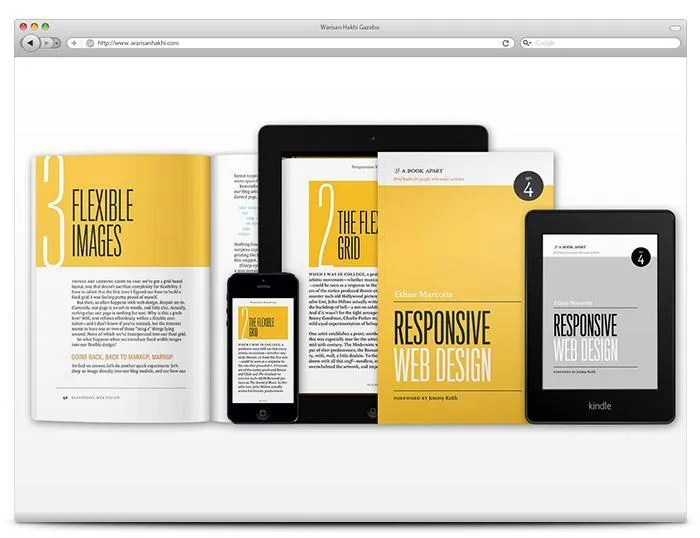
Users expect an organised website with good design. Whether using striking images, engaging video or responsive layouts, create an experience that is comfortable to view.
Use clear product or service photographs prominently on the homepage. High-quality images and video can distinguish your website from competitors.
4. Remove payment difficulties
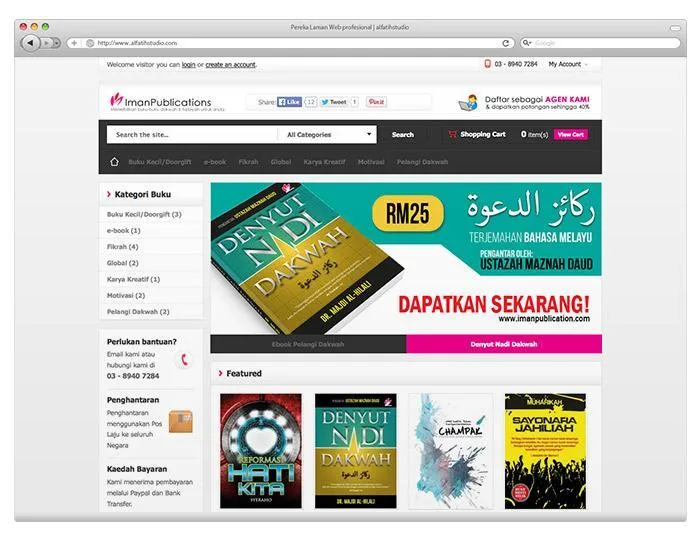
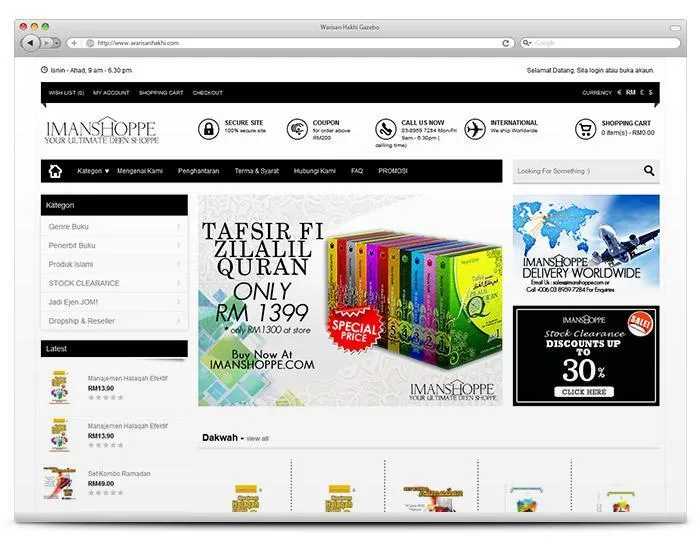
Product businesses should make payment easy through e-commerce. Customers should be able to buy even when they cannot visit your store, regardless of its location.
Selling through platforms such as Zalora, Lelong or Amazon can help, although payments may pass through the platform operator first. The article recommends adding online orders or an e-commerce website to simplify receiving orders and payments directly.
5. Keep the website fresh and relevant
New content shows customers that the business is active and trustworthy. Every section does not need constant updating; at least one regularly updated area can help.
A blog or news page can cover events, courses, product launches and other relevant activity. This shows a developing business and supports search optimisation through relevant industry content.
6. Show that real people manage the business
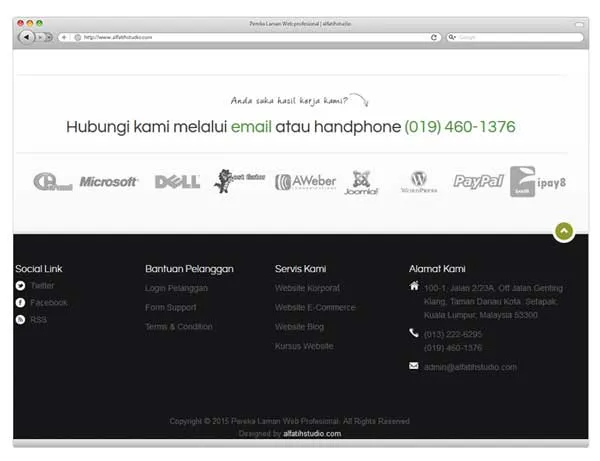
Display clear contact details. Businesses without a shop or office sometimes overlook this, which can reduce customer confidence.
Customers want to know they can contact someone before paying. Explain how to reach the owner through email, Facebook or telephone.
The original article also recommends displaying a business address, including a home or rented virtual office address where appropriate, usually in the footer.
Original guide illustrations
Links from the original guide
http://www.brightlocal.com/2013/06/25/local-consumer-review-survey-2013/