Archive translation: this article reflects earlier guidance and examples. References, features and historical claims may be outdated.
Blogs
A blog can be compared to a personal diary. Its owner can write about subjects they find interesting and shape it around their own thinking, without a single fixed set of rules. Traditional blogs differ from ordinary websites in presentation: the newest entry usually appears first, with the date, time, category and a comments link showing the number of comments.
Vlogging uses video posts, photoblogging uses photographs and podcasting uses recorded audio. A blog can reach thousands of relevant readers across different places and times. Comments can help a business understand customers, hear praise and complaints, and identify their needs.
Blogs can link to other websites as additional reading or recommend products and activities. They are relatively easy to update and manage without advanced expertise. A commercial blog can represent a business and share current activity and developments. It lets a business explain its philosophy to readers, potentially turn them into customers and create a more personal relationship. The original article links to buatlamanweb.com’s blog guide.
Websites
Remember that you are not building a website for yourself: you already know what you offer. Build it for visitors and include the content they need. People generally visit for two reasons:
- To find information, whether images for a school project or details about a subject.
- To complete a task, such as buying a popular product or downloading software.
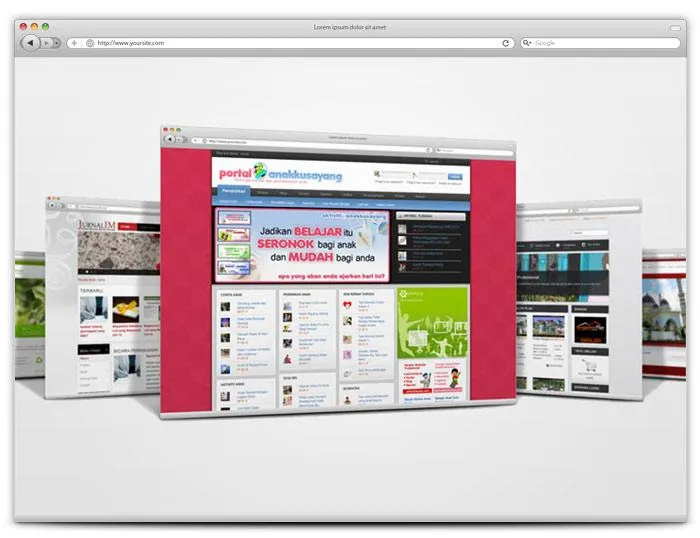
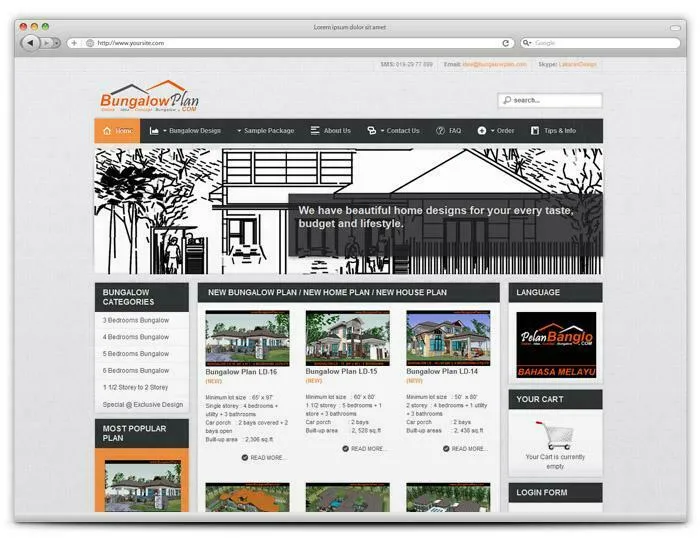
A website is a collection of pages accessed through the internet. It is what appears when you enter a web address, follow a link or use a search engine. It can contain text, colours, graphics, animation and sound.
A shared web address usually opens the homepage, which should introduce the information and services available. Links lead to other sections. A website can have one page or thousands, depending on its purpose. It is a communication channel and succeeds when its intended audience receives the message.
E-commerce
E-commerce means conducting or facilitating business electronically through the internet. Buying and selling online are familiar examples, but electronic business transactions cover other activities too.
### Examples
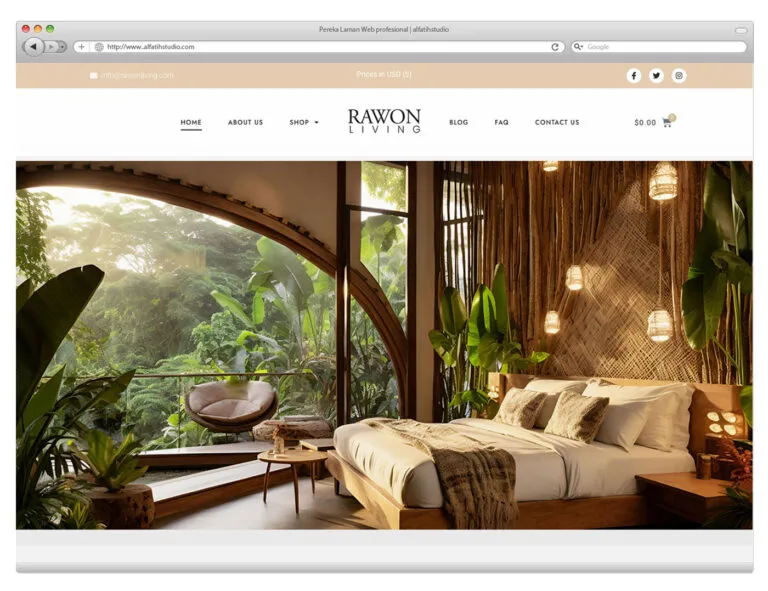
- Online shopping: sellers create digital storefronts and buyers browse and purchase. Amazon.com is a well-known destination, although it did not invent online shopping.
- Electronic payments: online purchases need payment mechanisms, including processors and gateways. These reduce the inefficiency of writing and posting cheques and some issues associated with handling cash.
- Online auctions: eBay is a familiar example. Auctions predate the internet, but online access connects many more buyers and sellers. Auctions help discover prices and can offer a different shopping experience from fixed storefronts.
- Internet banking: many banking operations can be completed without visiting a branch. Website connections to bank and credit card accounts support e-commerce.
- Online ticketing: flights, cinema, rail, theatre, sporting events and other tickets can be booked online, reducing the need to queue at ticket counters.
### Types of e-commerce
- Business-to-business (B2B): both parties are businesses, such as manufacturers, traders and retailers.
- Business-to-consumer (B2C): a business sells electronically to an end customer.
- Consumer-to-consumer (C2C): transactions between individuals, including online auction sales. The original article compares these with earlier barter transactions.
### Benefits E-commerce reduces limitations of time and geographical distance. It can also streamline operations and reduce costs.
We hope this explanation clarifies the differences between blogs, websites and e-commerce.