
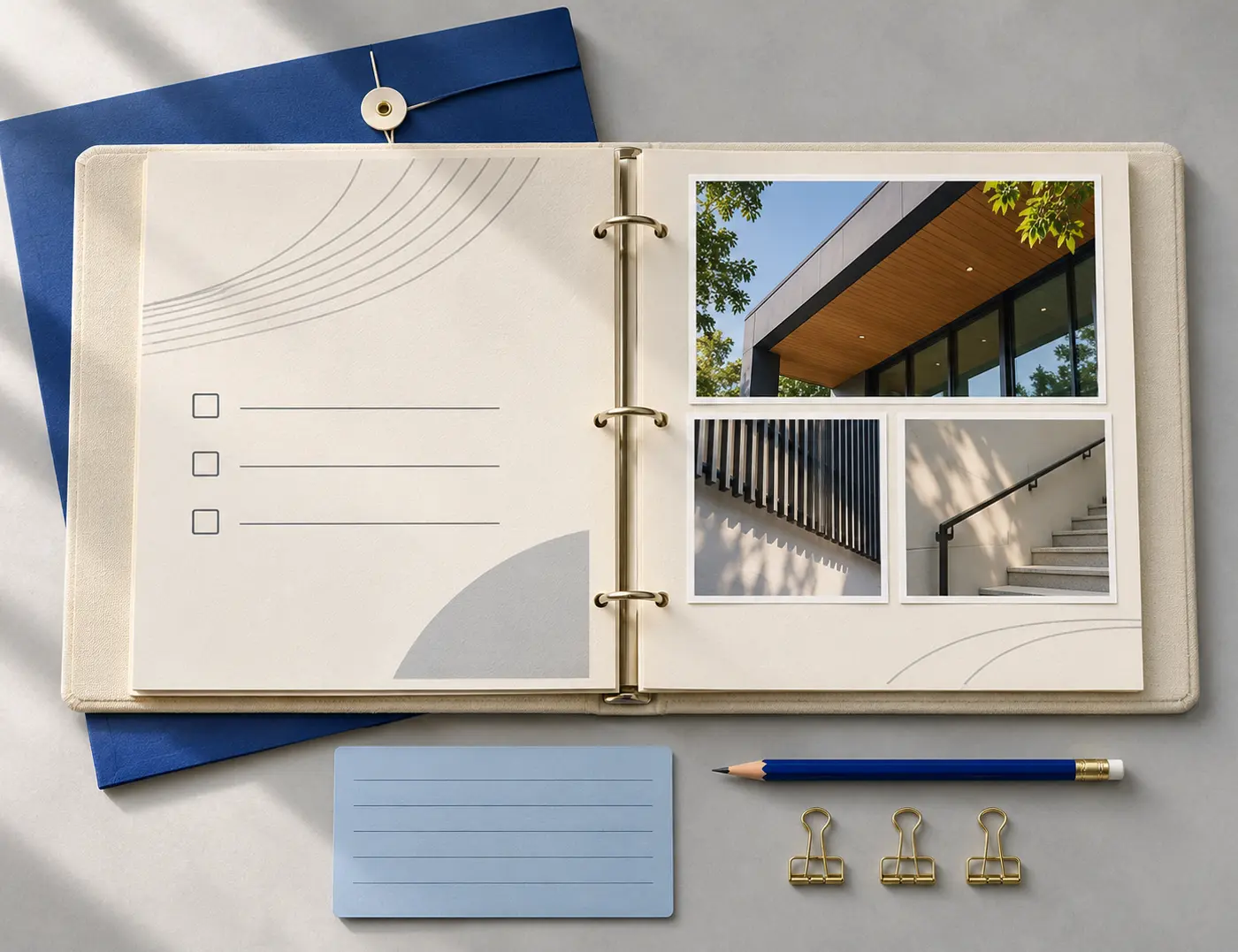
A case study helps potential customers understand how your company solves problems. Start with a project that has work records, images and outcomes you can explain accurately. Choose work that resembles the needs of the customers you want to serve next.
Explain the customer’s starting point
Describe the organisation, the people involved and the task they found difficult. A supplier, for example, may receive product enquiries through several channels and repeatedly ask buyers for specifications. Explain what needed to improve and any constraints involving time, content or an existing system.
Describe the scope and key decisions
Choose two or three decisions that affected how customers use the finished work. For a catalogue website, explain the categories, specification pages and enquiry form. Describe your team’s role and what the client supplied so readers can understand the actual scope.
Match each outcome to evidence
Use work photos, screenshots cleared of customer information and examples of features that were delivered. When you include figures, state the period, measurement method and source. For website speed tests, record the date, device and test type. For enquiries or sales, check that your records support both the figures and their connection to the project.
If you have no post-launch measurements yet, describe changes a reader can verify. Customers might now view specifications and send a product list through one form. Get the client’s agreement to publish relevant names, images, quotations and project details.
A practical outline to complete
- Project background and the type of customer served.
- Original problem, affected users and project objectives.
- Scope and the roles of your company and the client.
- Key decisions and the reasons behind them.
- Delivery evidence, verified outcomes and measurement dates.
- A next step for customers with similar requirements.
A sample catalogue project description
Use this fictional example as an outline. “The supplier needed a way to explain its product variations to buyers. The team organised categories and specification pages, then built an enquiry form with fields for quantities and product codes. During handover, the team tested form delivery and confirmed receipt with the client’s staff.” Add sales outcomes when post-launch records become available.
Help readers find relevant work
Use a title that names the project type and the need it addressed. Choose a cover image that is recognisable on a phone. Link to the relevant service once readers understand the scope and evidence. For new projects, agree a way to record results early so the case study can be updated later.
Browse the alfatihstudio portfolio for examples of project presentation. To organise project evidence on a company website, explore our Corporate Website packages.
Frequently asked questions
Length depends on the complexity of the work. Give readers enough information to understand the problem, scope, decisions and evidence.
Yes. Describe verifiable deliverables and changes, such as a completed feature or a tested workflow. Add sales measurements when reliable records are available.
Discuss an anonymous version and agree what can be shared. Check images, documents and project details against the client’s agreement.